
May 2026 | by Joëlle Walls
 Celebrating a decade at Georgia Tech, the EXCEL Program, co-founded by Terry Blum and Cyrus Aidun, is a four-year college certificate program for students with intellectual and developmental disabilities. With more than 300 Inclusive Postsecondary Education (IPSE) opportunities nationwide, EXCEL is among the few that bring together on-campus housing, financial aid, inclusive courses, and internships at a public university.
As part of the College of Lifetime Learning, the EXCEL Program reflects the College’s focus on expanding access to education while providing students with the opportunity to experience college life and develop the skills needed to succeed in today’s workforce. Graduates also stay connected through the EXCEL alumni network, which is relatively rare among similar programs.
Founding director Ken Surdin shares how the program began, how it has grown, and what continues to drive its impact.
Q: How did you come to be the founding director of the EXCEL Program?
A: I was working at the Centers for Disease Control and Prevention in the National Center on Birth Defects and Developmental Disabilities, focused on policy. Earlier in my career, I had worked in group homes with students like those we now serve in EXCEL and saw firsthand the lack of opportunity available to them after high school.
So the idea that there could be something beyond high school was really intriguing. When the opportunity came along, I took it. I started in 2014, had about a year to build the program, and then we welcomed our first cohort in 2015.

Q: In those early days, how did you think about building the program?
A: One of the benefits of being incubated out of the Scheller College of Business, and more importantly, the Institute for Leadership and Social Impact, was that there was an entrepreneurial mindset about building the program. The blueprints that exist for many of these programs often come out of schools of education or psychology. That was not the model we were using.
The model we were using was: what does a program for these students with a high return on investment look like, and how do we build it? What we prioritized was not just academics and campus inclusion, but employment. From day one, employment was front and center. A lot of programs were more participatory, but there weren’t necessarily expectations for what happened after students graduated. We wanted employment and post-transition preparation to be part of the blueprint and the DNA of what we did. The program also focuses on greater independence and the skills that need to be developed in order for that to be possible. For example, we have many students who want to live on their own. So, we will work with them to understand what that takes, identify gaps, and build on what students can already do.
 We also brought in design thinking, the idea of trying things, failing fast, rethinking, trying new things, and problem solving. That became part of our culture. If something wasn’t working, we asked ourselves what we needed to change and tried something different. We’ve done that across the program from the very beginning.
Over time, that mindset has allowed us to build the program around the resources we have in Atlanta. Having access to employers and a large campus provides a wide range of opportunities, and we have never stopped adapting. Whether it was COVID, AI, or moving across different parts of Georgia Tech, we’ve had to adjust. That’s really part of our DNA, figuring out what works and making it better.
Q: What are you most proud of when you think about EXCEL over the past decade?
A: What I’m most proud of is the growth within the program and the continued growth after students graduate. About half of our students are living in apartments, sometimes with roommates, and sometimes on their own. They’re working, using public transportation or driving, and building their careers over time like everyone else.
The students believe in themselves, which is not always there when they arrive, and their level of confidence builds over time. There’s a range of backgrounds among our students, as some come from more advantaged situations than others. But what stands out is their motivation. They want to be involved. They want to work. They want to live on their own. And they’re doing it. That growth is what impresses me more than anything. Now students who come into the program can see that in others. In the beginning, it was “maybe this could happen,” and now it’s “this will happen,” because they see people ahead of them achieving their goals. That’s really what I’m most proud of.
Q: What outcomes stand out most when you think about EXCEL graduates?
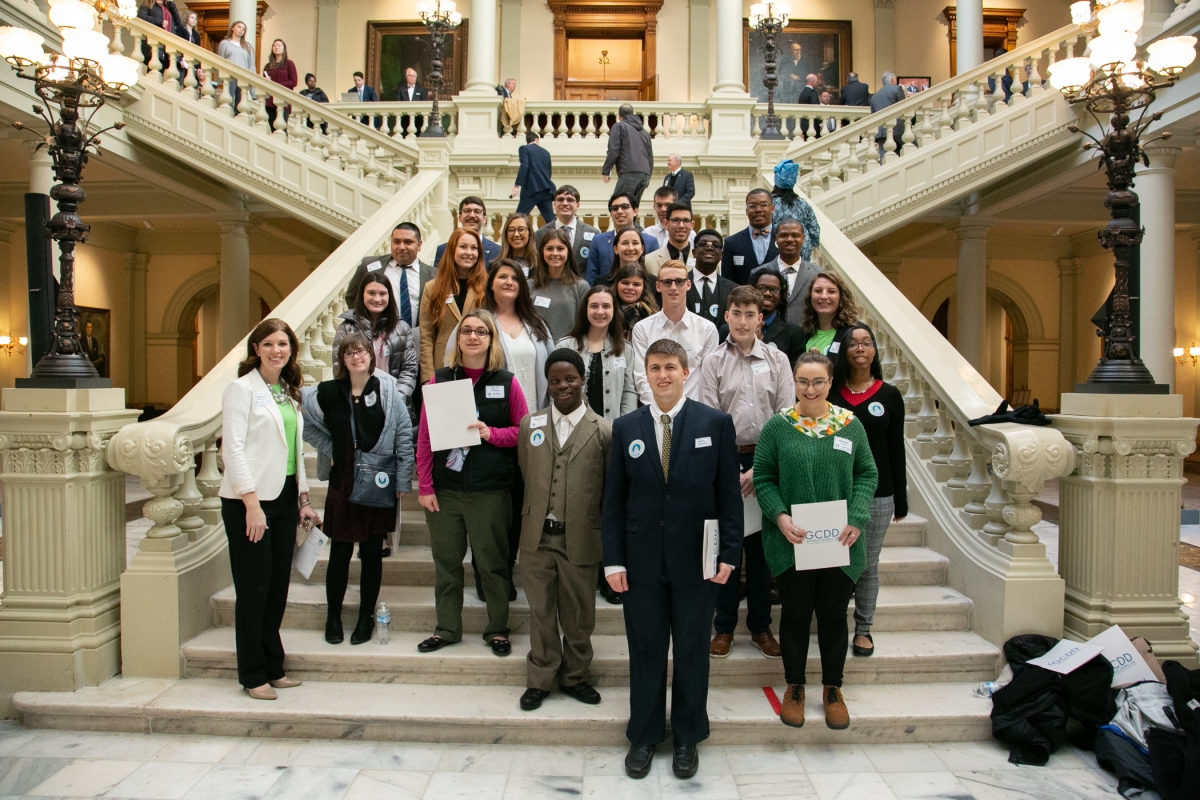
A: I am proud of our graduate employment outcomes, which currently hover at 88%. We track that over time, and it’s an important outcome for us because it’s an outstanding percentage when you compare it across the country and with U.S. Bureau of Labor Statistics data.
I’m proud of the level of independence that our students are demonstrating when they get out. They’re working, living in apartments, contributing to the economy, voting, taking part in their communities, staying involved, and getting really cool jobs, like working on a Royal Caribbean cruise or on the events planning team at FedEx, or at Coca-Cola in the warehouse or at World of Coca-Cola. The jobs our students are getting are jobs that they’re interested in and have learned about through opportunities within EXCEL, including the seven internships we do.
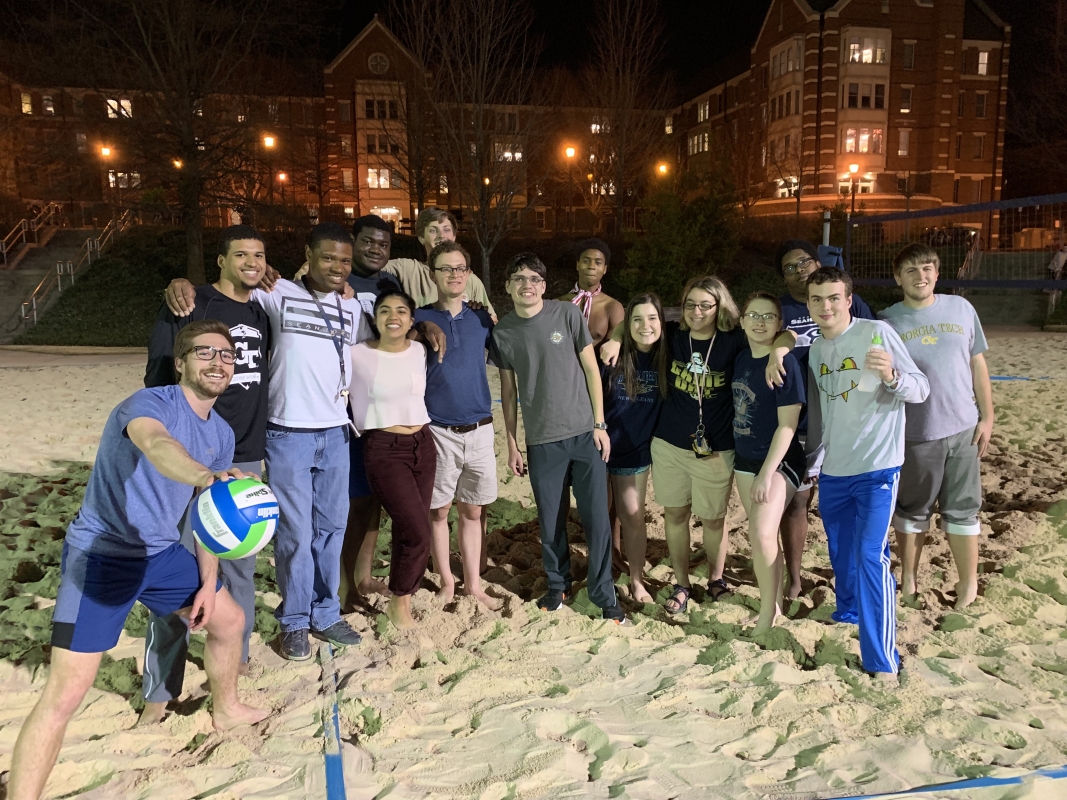
And along with that come the skills that are necessary for an independent life, the kinds of skills that aren’t always emphasized in college. Our students work on those consistently and utilize them after they graduate, recognizing how important they are to their success, their happiness, their mental health, and all of those things you want a young adult to not only be aware of but also to be actively mindful of.
 Q: What do you wish people better understood about programs like EXCEL?
A: There are very few opportunities for Inclusive Postsecondary Education in relation to degree-seeking peers. While there are more than 5,000 colleges and universities across the country where students can earn a degree, there’s just over 300 possibilities for inclusive education, and the number of students in these programs is typically very small.
To give context to that, EXCEL will have 42 students enrolled next year. That is considered a large program, as many others may have 5 to 10 students or fewer. So the number of students who want to participate in Inclusive Postsecondary Education and the opportunities available to them are very small in comparison to degree-seeking options.
Because of that, there’s a real need for high-quality programs and more of them to meet the need. We also need more funding, scholarships, and support to make these programs accessible to students from all backgrounds, regardless of income.
Programs like EXCEL are absolutely worth it. You can see how this experience changes the lives of students and their families.
