
May 2026 | Story by Joëlle Walls
Reflections on Impact
Within the College of Lifetime Learning at Georgia Tech, Lizanne DeStefano has led efforts to expand access to STEM education across Georgia and beyond as executive director of the Center for Education Integrating Science, Mathematics, and Computing (CEISMC) for nearly 11 years. Her work has helped advance a focus on learning, pathways, and access across the lifespan.
What began as a five-year stint became a much longer tenure marked by continued growth in research, partnerships, and statewide impact, along with the evolution of CEISMC’s work across K–12 education, STEM outreach, and educator development. The integration of STEM and workforce development through programs like EXCEL, a four-year college certificate program for students with intellectual and developmental disabilities, illustrates that commitment to connecting learning to real-world opportunities.
As DeStefano prepares to return to the faculty in the School of Psychology in Georgia Tech’s College of Sciences this fall, she reflects on her years of service at Georgia Tech and the impact of her work through CEISMC.
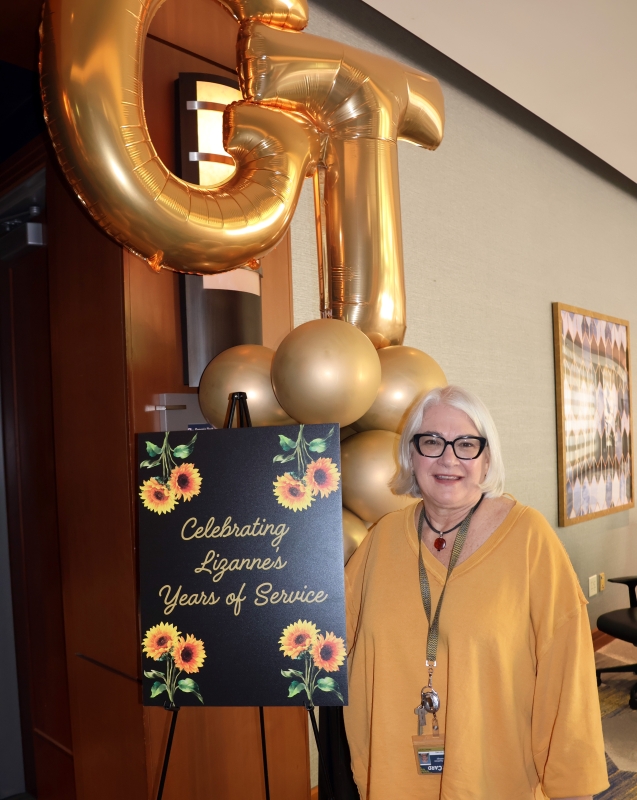
Q: You've spent many years at Georgia Tech, serving in different capacities as a faculty member, a researcher, and a center leader. When you reflect on your time here, what moments or decisions stand out as most defining for you?
A: I think that when I look back, one of the most critical decisions that we made in CEISMC was to work in a partnership model. Prior to that, CEISMC did a lot of innovative and interesting programs, but they were developed on the Georgia Tech side of the fence and then made available to people in districts and across the state. That was great, and they were certainly popular programs.
But when we began to work in partnership with community agencies, school districts, and research centers and institutes at Georgia Tech, we really achieved a very high level of integration of Georgia Tech research discoveries, enthusiasm, content knowledge, and pedagogical knowledge into our programming. We were also better able to meet our partner needs. So that decision to work in partnership with others strengthened our programming and contributed to the success and sustainability of many of our long-term programs.
The second critical point for me was the Georgia Tech Strategic Plan, the most recent one led by Ángel Cabrera and coinciding with the COVID pandemic. Because we were doing strategic planning during a pandemic, we switched everything to Zoom. We were very involved as a campus in figuring out what to do during that time while also trying to set the course for the campus for the next 10 years. I think all of that coming together made it much easier to integrate CEISMC into campus life and the broader goals of the institute.
We had always followed Georgia Tech’s motto of progress and service, but we weren’t always as closely tied to the recruitment of new students or to service across the state in terms of K–12 STEM education. Being able to collaborate so closely with the campus on a variety of levels really created a very rich environment for CEISMC and resulted in us being much more fully integrated at the campus level.
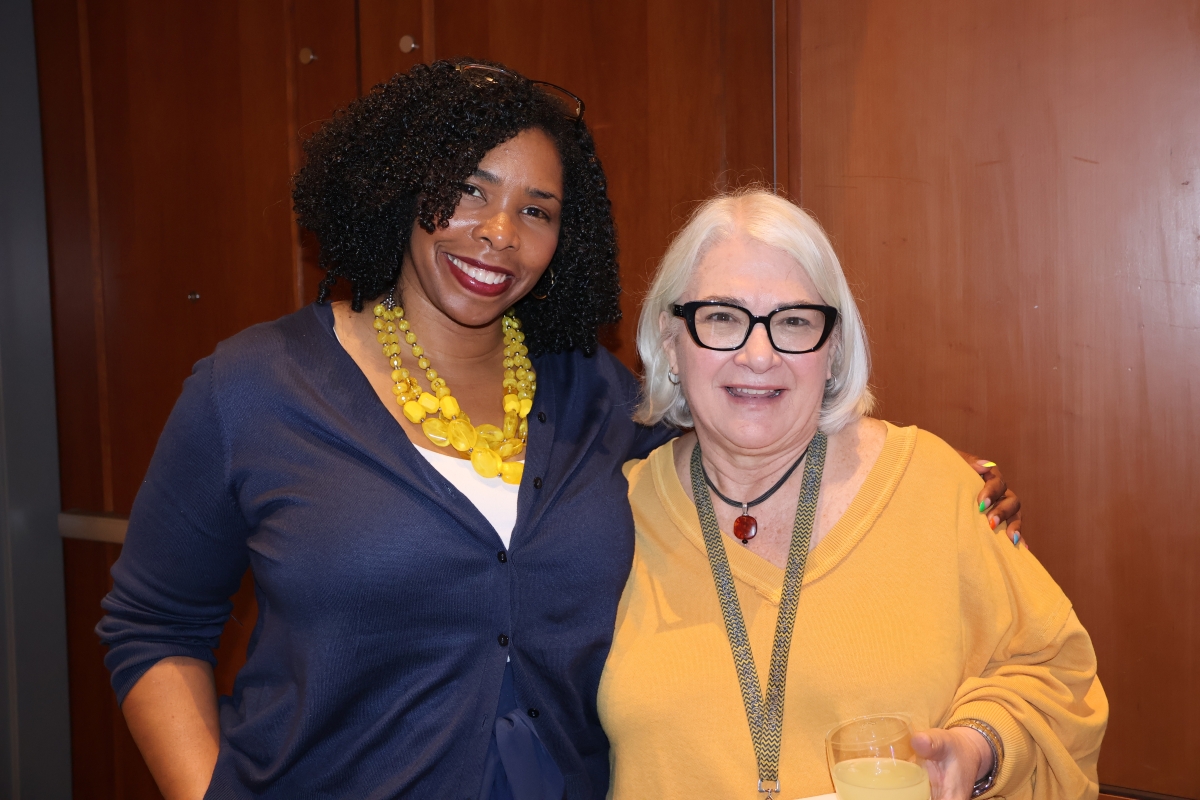
Q: You began your career working directly in K–12 education. How has that early experience continued to shape the way you think about learners, educators, and educational systems throughout your years at Georgia Tech?
A: I’ve always been interested in education. When I was an undergraduate, I was doing my honors thesis on a new drug at the time called Ritalin. I was at the Western Psychiatric Institute and Clinic doing an observational study behind a one-way mirror, looking at a double-blind study where some students were on Ritalin and other students were not. We were collecting information about their motor behavior, their attention behavior, among other things. While I was sitting for hours and hours as an undergraduate behind this mirror, watching teaching and learning, I became very interested in the teaching and learning process.
So that’s really what propelled me to get a master’s degree in special education and to spend some time in the classroom. I’m very glad that I spent time in the classroom, because I think it gives you credibility in this job. I understand how schools work. I understand what a classroom is like. I understand what it means to be in charge of a classroom. And those are things that, unless you’ve done them, are very hard to understand through other means.
I enjoyed my time in the classroom very much, but I also realized the limits of being a single teacher in a single classroom. It’s incredibly important to the students in that classroom, but not as powerful in terms of affecting other things around you, and very much constrained by some of the limitations of the educational system. I worked a lot with kids with emotional disturbance, but they had very little access to mental health services. I had a psychiatrist who consulted with me maybe twice a year. The students were not really receiving the mental health therapy that they needed to be successful. And so that’s what prompted my decision to go on to get a Ph.D. in psychology, so that I could think about the therapies and the support that students needed to be successful in schools.
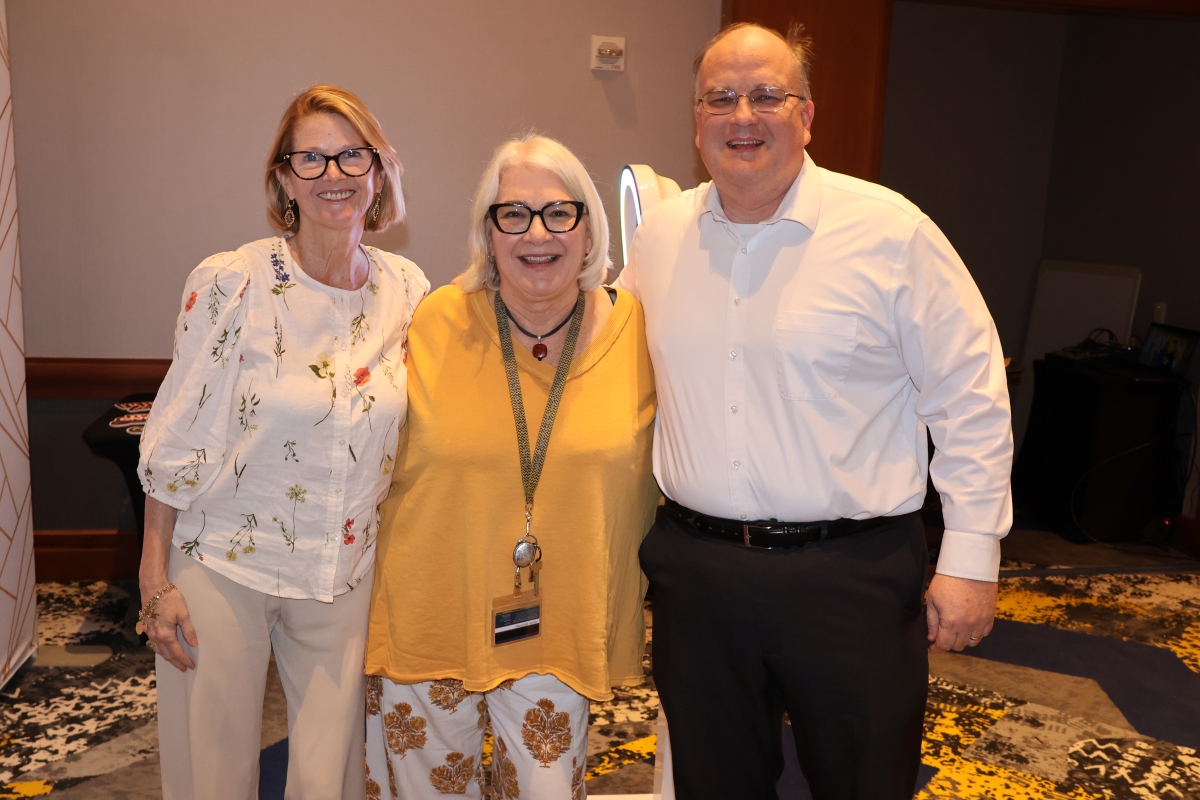
Q: In addition to your leadership roles, you've spent your career as a psychology professor and educator. How has teaching influenced the way you think about research, leadership, and real-world impact?
A: I think education is very, very, very important in general. One of the most generous things that you can do for other people is to educate them, give them access to education, and provide opportunities to help them grow, become independent, and guide their own lives forward. I’ve seen education change people’s lives, even from a young age. My father was in the military, and he felt that for people who came from under-resourced communities, the military was a way to get them out of that situation, providing them with education, training, skills, and support that could truly change their lives. I have seen that many times.
When it came to my own career, I wanted to have the same kind of impact. In many of the day-to-day interactions that I have, whether I'm supervising somebody or talking with a prospective Georgia Tech student, I always tend to think that some part of that conversation is educational. I'm trying to share information with them that helps them better understand a situation or make a more informed decision.
Q: As the work of CEISMC continues within the College of Lifetime Learning, where do you see the strongest alignment between this work and the college's long-term vision, including Strategy 2035?
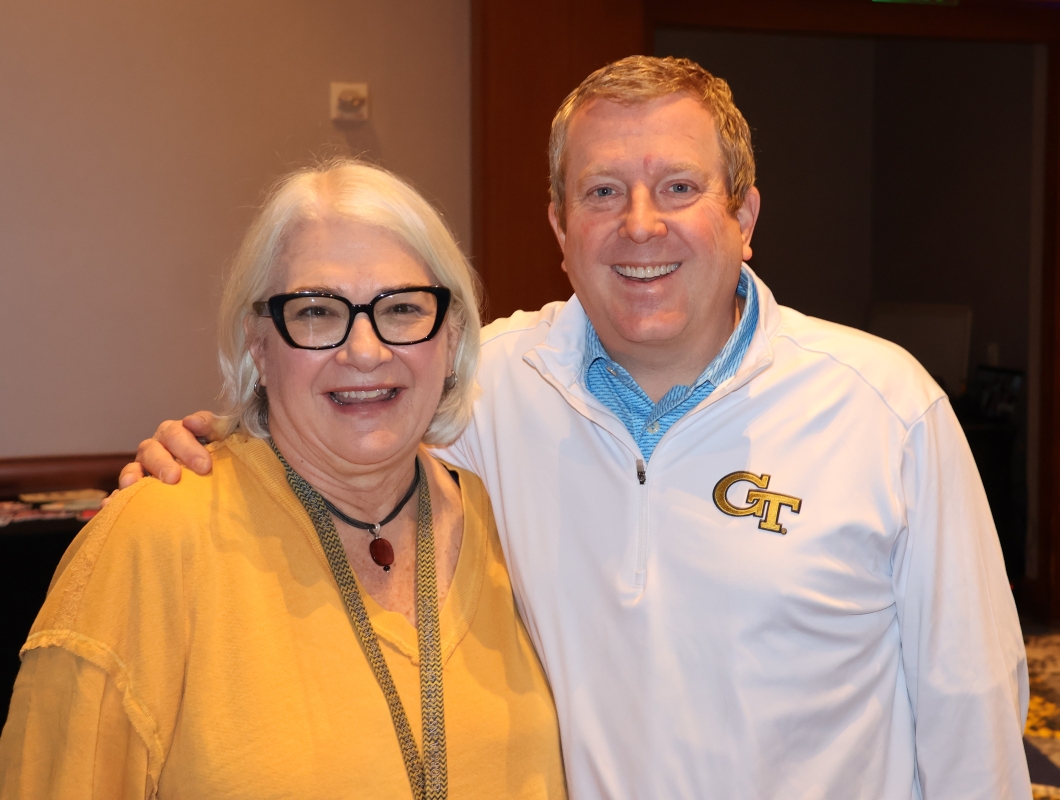 A: I think that we represent a portion of the lifetime that is not typically included in post-secondary colleges. Many universities have K–12 outreach and activities for K–12 students, but incorporating that work into a college is fairly unique and is one of the most distinctive aspects of the College of Lifetime Learning.
I also think that the idea of alignment and creating pathways from K–12 to post-secondary education, from post-secondary education to careers, and then back again is very important. One of the most profound experiences of my career was being asked to create and chair the P–20 Council in Illinois, where leaders from across the full education spectrum, from early childhood through higher education, came together to focus on alignment.
We spent a lot of time thinking about how to reduce barriers between each stage, because those transitions often create challenges, and those challenges affect different groups of people in different ways. So we’re back to that equity interest: how do we make it a more seamless pathway for everybody, one that results in the most educational benefit so people are fulfilling their maximum potential while also benefiting the workforce and the broader economy?
Because if individuals are able to exercise their talents and grow to their full potential, that’s going to benefit the state as a whole. I was able to do that fairly early in my career through my work with the P–20 Council, and that perspective is something I brought with me to Georgia. I think it aligns strongly with Strategy 2035 and with the Institute’s strategic plan.
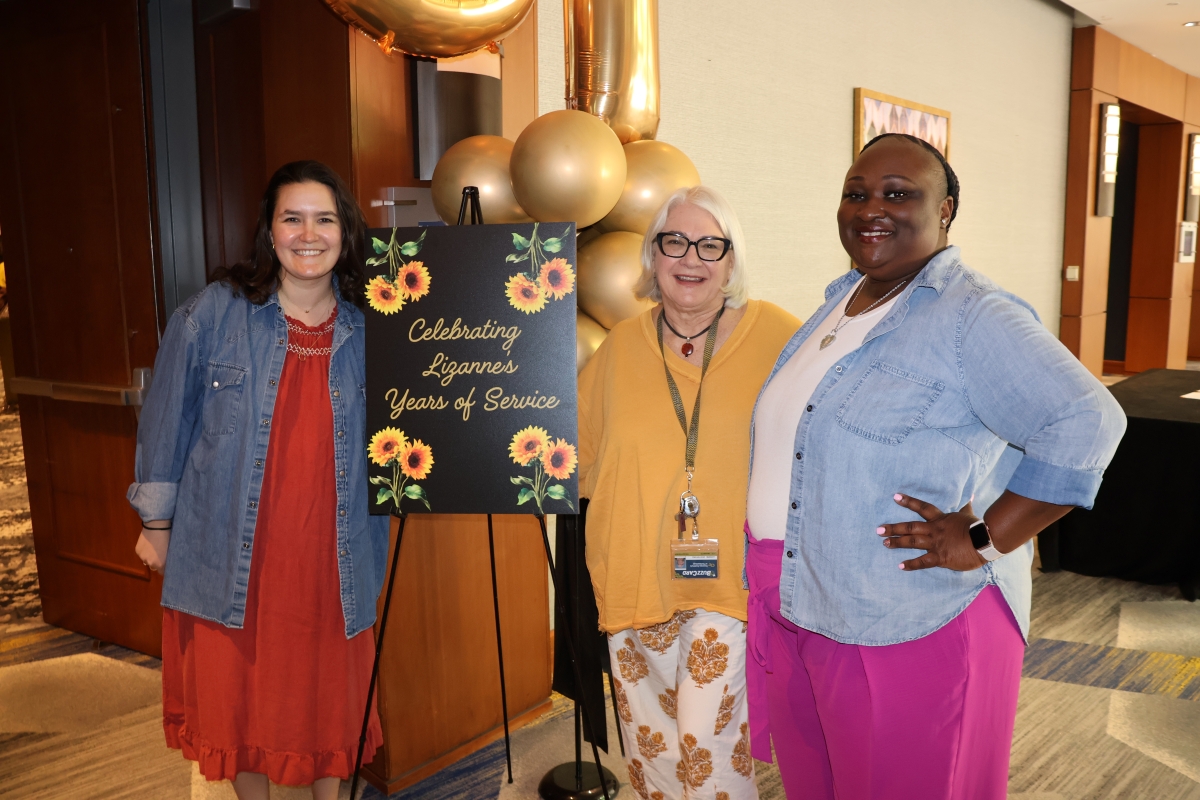 Q: When you think about your years of service at Georgia Tech, what do you hope people take away about CEISMC’s role and about Georgia Tech as an institution?
A: One thing I often say is that I want to push the limits of what a major, world-class research institution can do to improve STEM education in our state. We’re not a K–12 system or a government agency, but we are an educational institution, and we have a role to play.
I think it’s important to understand the connections across the entire education system. We see gaps at a number of transition points, from early childhood education to K–12, from K–12 to higher education, and from higher education into the workforce, where people move in and out. We need to think about what we can do to create a system that addresses those gaps, that allows people to move forward if they’re on a trajectory, but if life interrupts their path, allows them to come back and continue their education.
I want to think about how people can continue to learn, continue to grow, and continue to develop their talents over time. It’s very consistent with what the College of Lifetime Learning is trying to do. Georgia Tech has an important role to play. As a public institution, Georgia Tech can really bring people along as new technologies and opportunities emerge.
